Optimal Timing for Waterproofing Applications
Waterproofing is a crucial aspect of building maintenance that protects structures from water intrusion and damage. Proper timing ensures the effectiveness and longevity of waterproofing treatments, making it essential to choose optimal periods for application.
These seasons offer moderate temperatures and lower humidity, ideal for waterproofing applications that require curing time and adhesion.
Late summer provides warm weather with less rain, suitable for completing waterproofing projects before cooler, wetter months.
Early fall allows for application before colder temperatures set in, ensuring waterproofing materials cure properly.
Winter is generally unsuitable due to freezing temperatures and increased moisture, which can compromise waterproofing effectiveness.
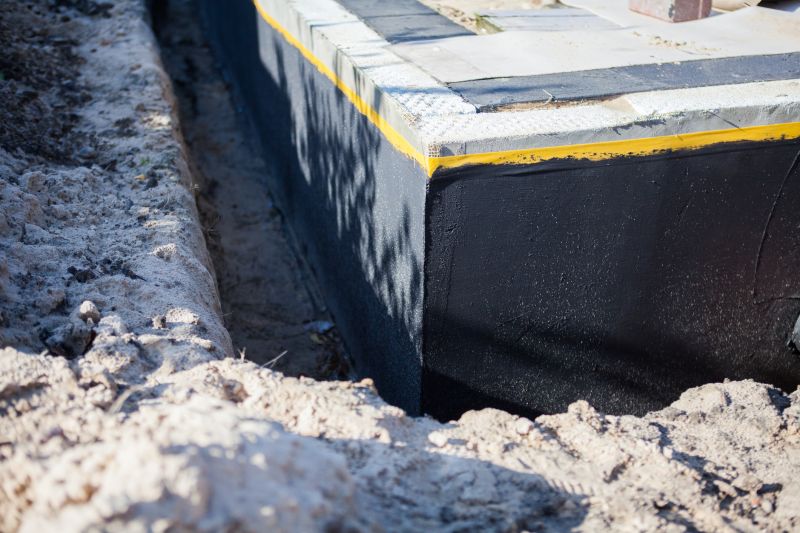
Professionals applying waterproofing during spring benefit from favorable weather conditions.
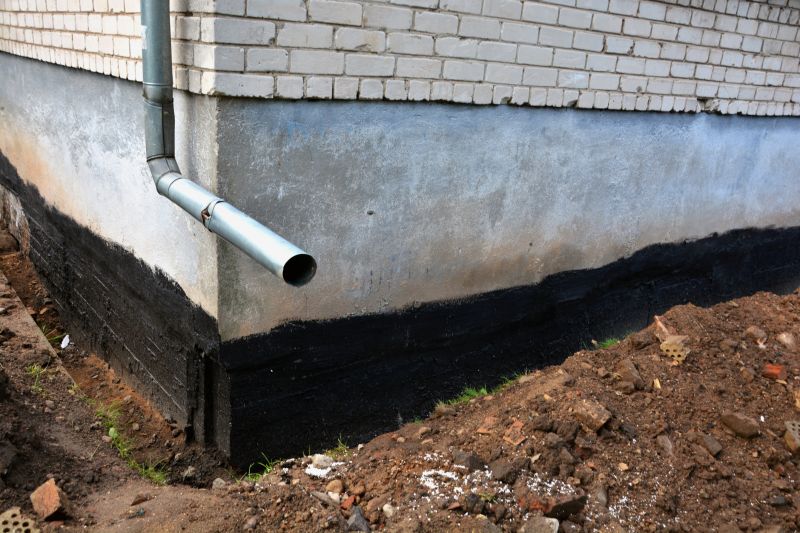
Late summer offers warm, dry days ideal for sealing foundations and roofs.
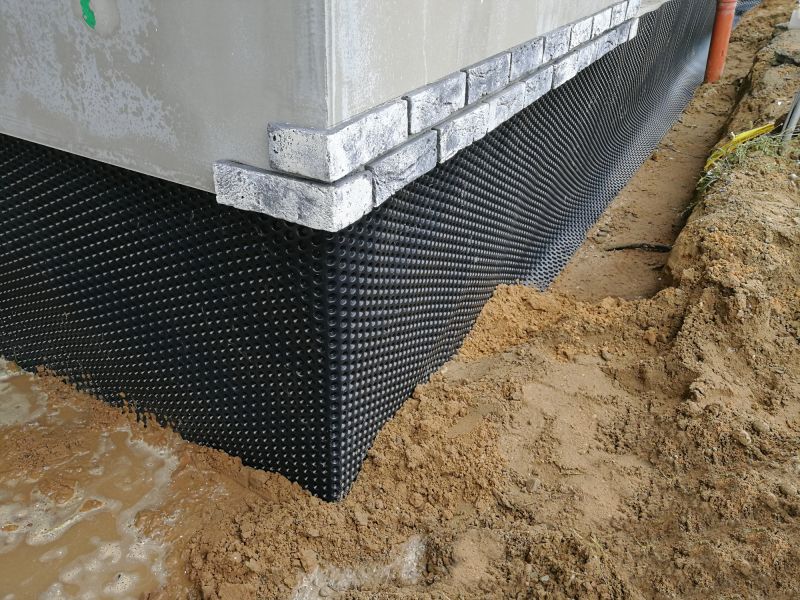
Applying waterproofing in early fall prepares structures for winter conditions.
Ways to make Waterproofings work in tight or awkward layouts.
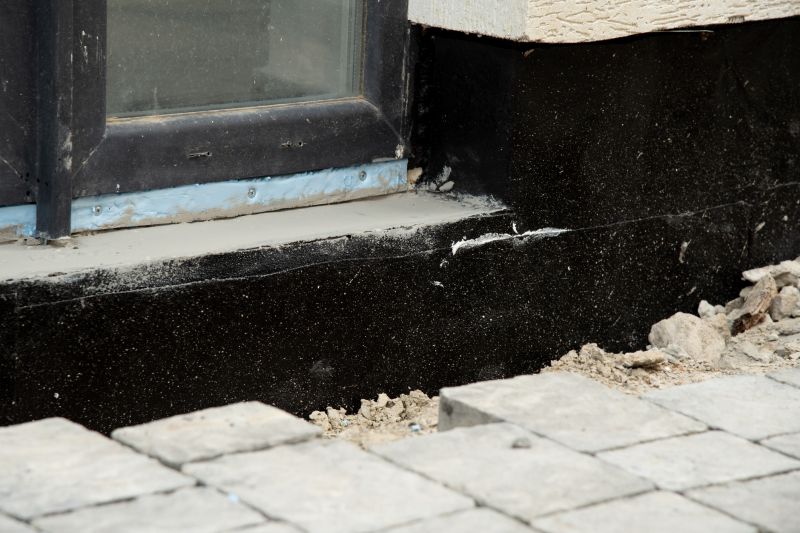
Popular materials for Waterproofings and why they hold up over time.
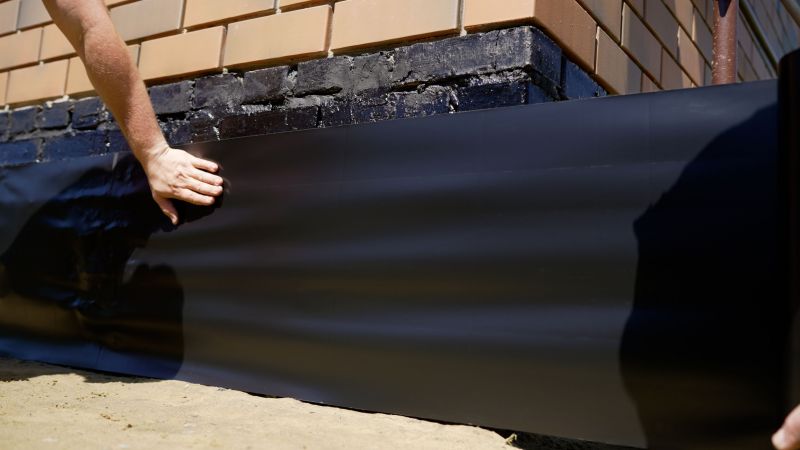
Simple add-ons that improve Waterproofings without blowing the budget.
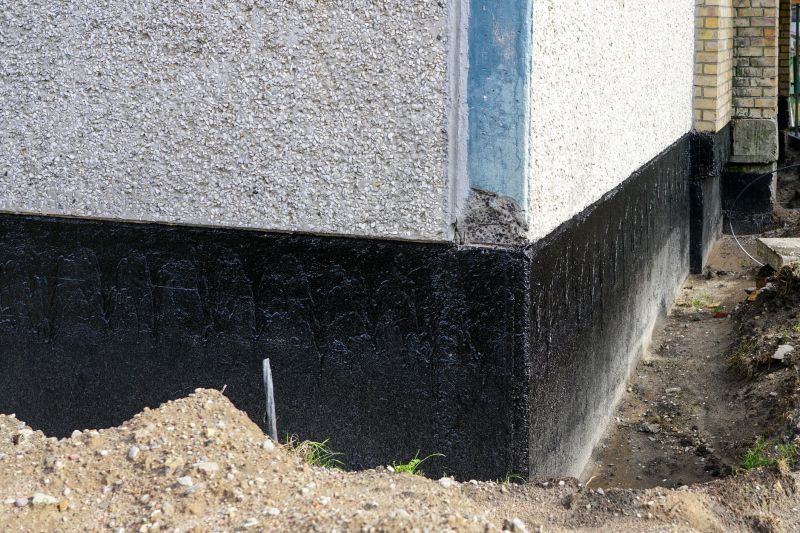
High-end options that actually feel worth it for Waterproofings.
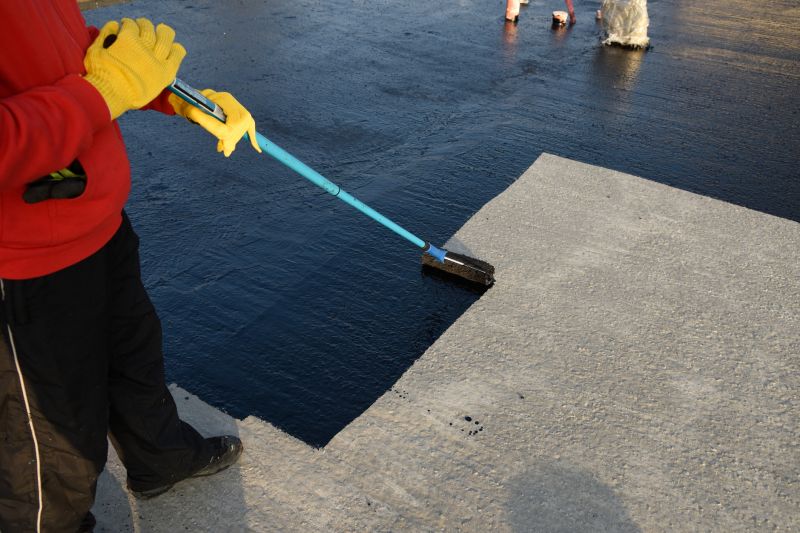
Finishes and colors that play nicely with Waterproofings.
| Season | Suitable for Waterproofings |
|---|---|
| Spring | Yes |
| Summer | Yes |
| Fall | Yes |
| Winter | No |
Waterproofings are essential for protecting buildings from water damage, which can lead to structural issues, mold growth, and interior damage. Advances in waterproofing technology include liquid membranes, sheet membranes, and sealants designed to adapt to different surfaces and conditions. Proper timing and application techniques significantly impact the durability and effectiveness of waterproofing systems.
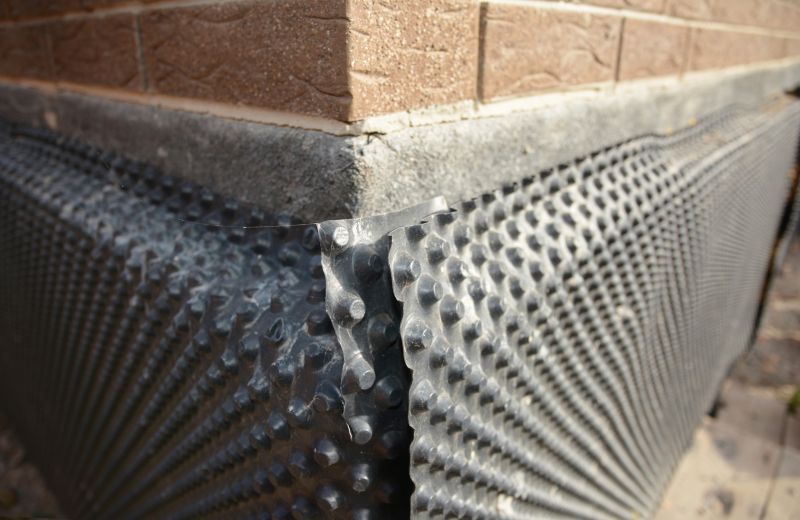
Various materials are used depending on the application, including membranes, coatings, and sealants.
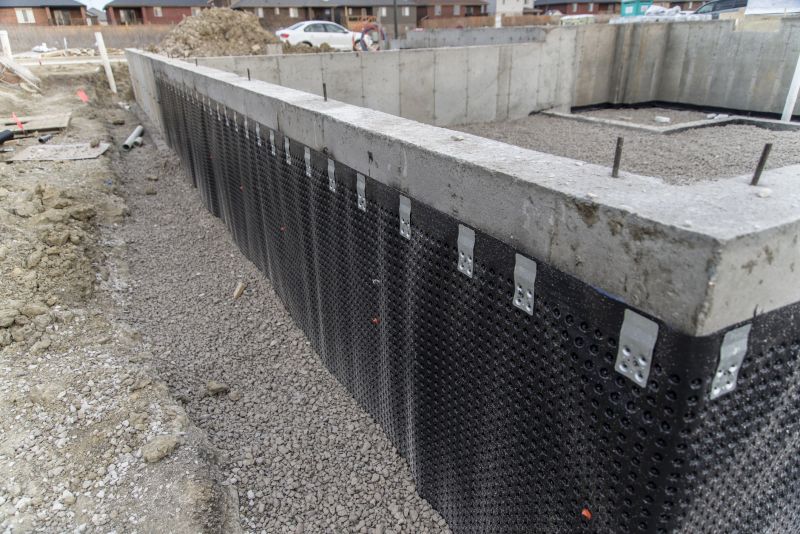
Proper surface preparation and environmental conditions are key for effective waterproofing.
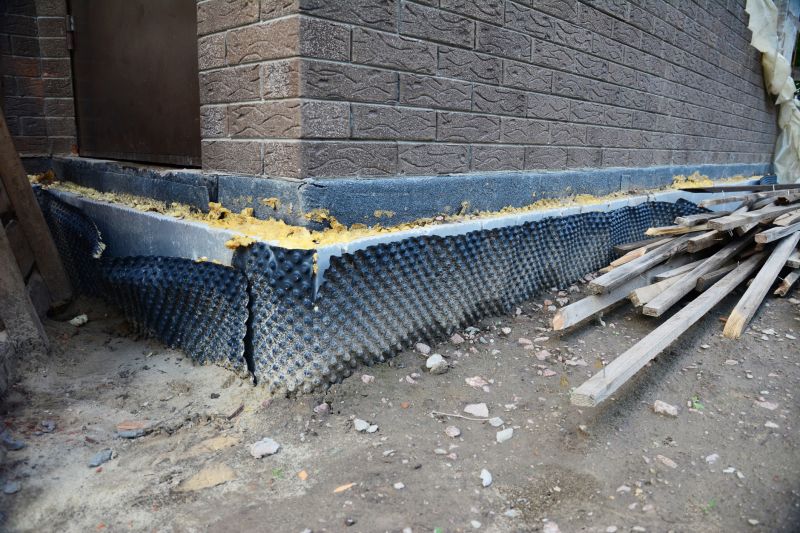
Early application during construction can prevent future water intrusion issues.
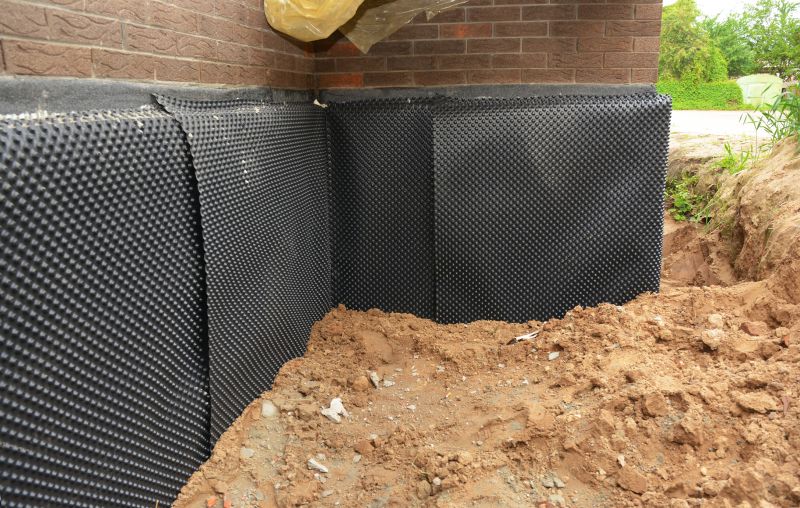
Regular inspections help identify and repair vulnerabilities before damage occurs.
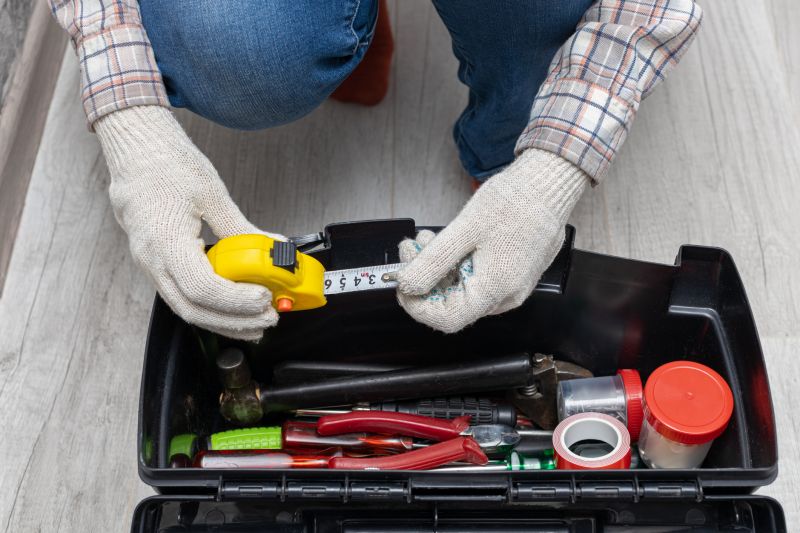
Little measurements that prevent headaches on Waterproofings day.
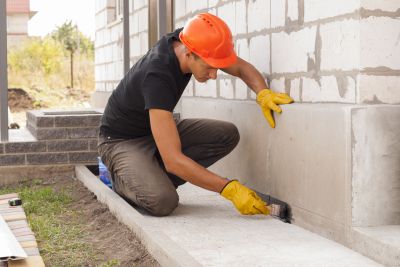
A 60-second routine that keeps Waterproofings looking new.
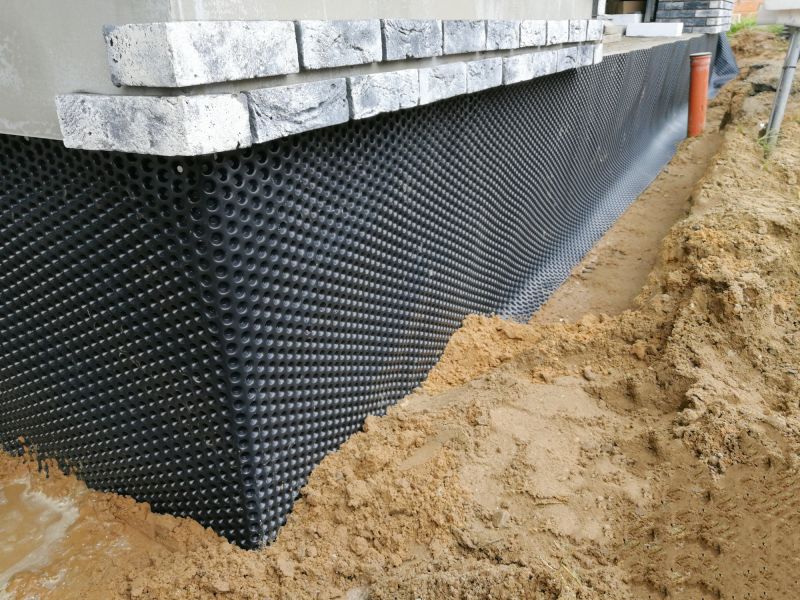
A frequent mistake in Waterproofings and how to dodge it.
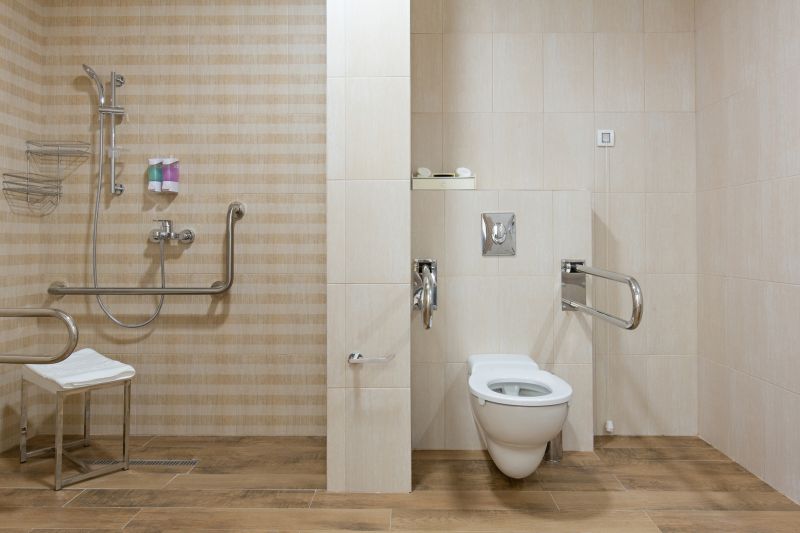
Small tweaks to make Waterproofings safer and easier to use.
Statistics indicate that water-related damages account for a significant percentage of structural repairs annually. Proper waterproofing can reduce these costs substantially by preventing water ingress and associated issues. Selecting the right time for application enhances the lifespan of waterproofing systems, ensuring long-term protection.
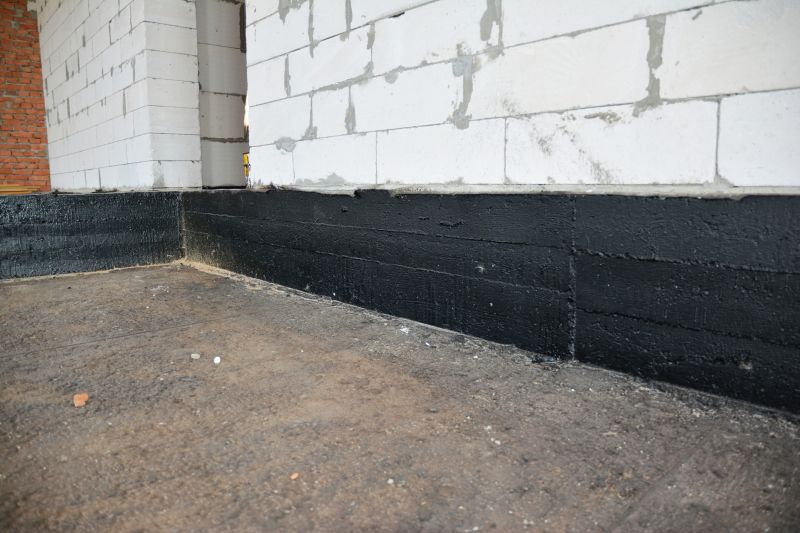
Sealing foundations to prevent water intrusion.
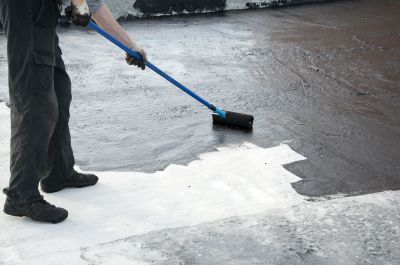
Applying protective coatings on roofs before winter.
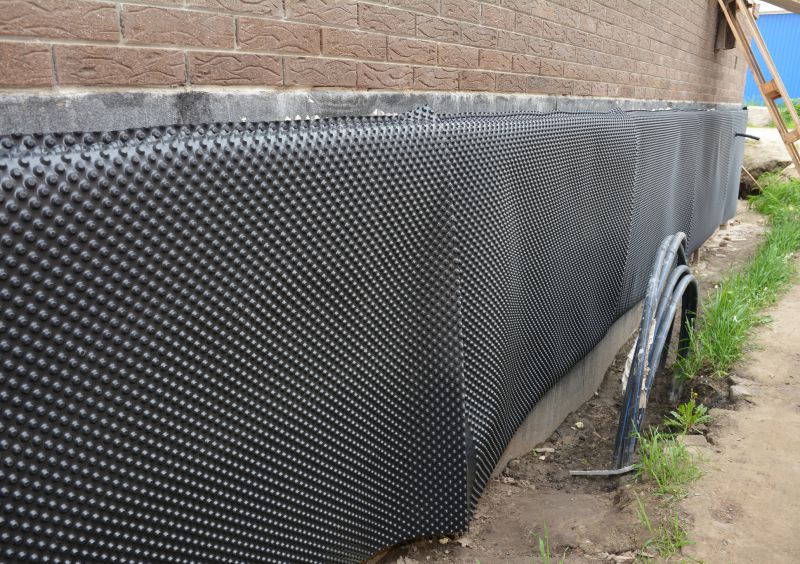
Using membranes and sealants to protect below-grade structures.
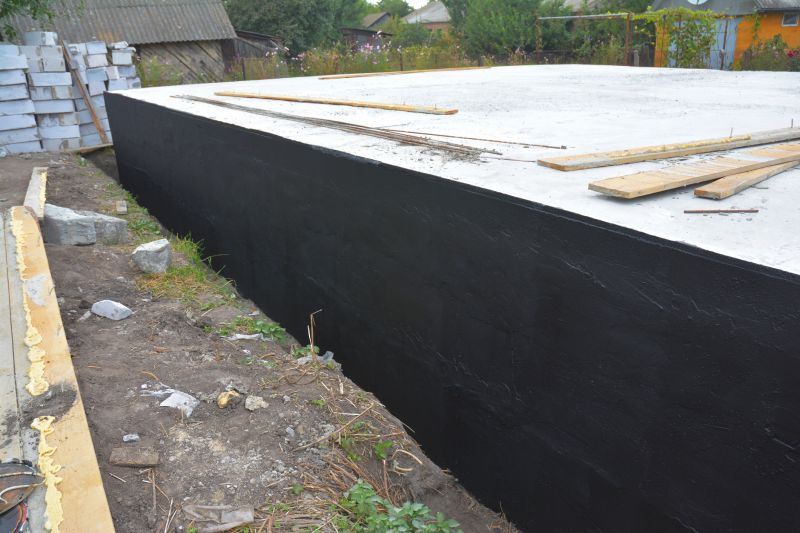
Lower-waste or water-saving choices for Waterproofings.
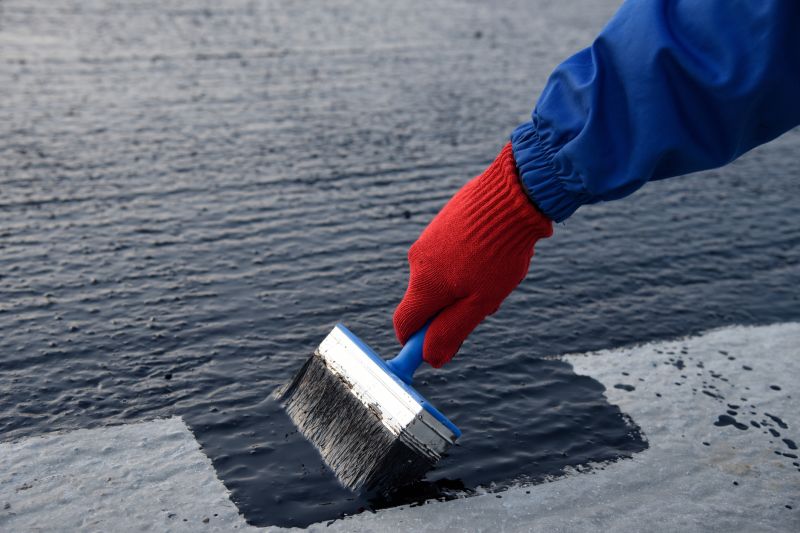
The short, realistic tool list for quality Waterproofings.
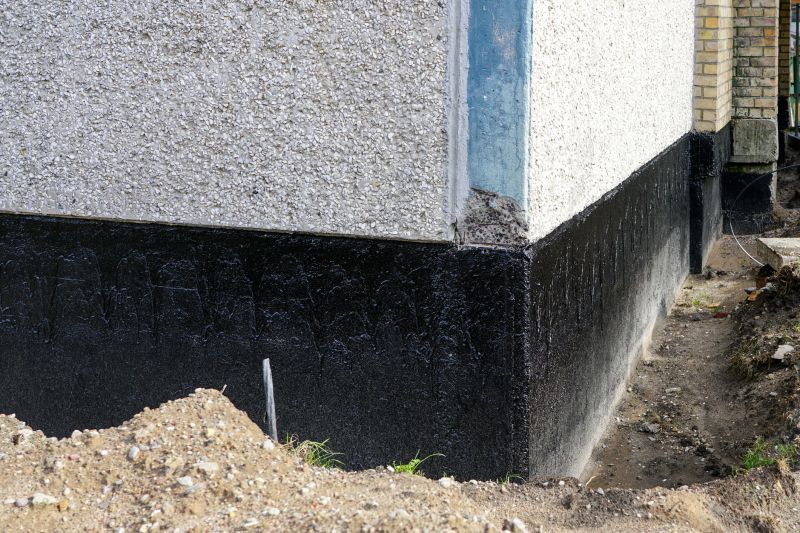
Rough timing from prep to clean-up for Waterproofings.
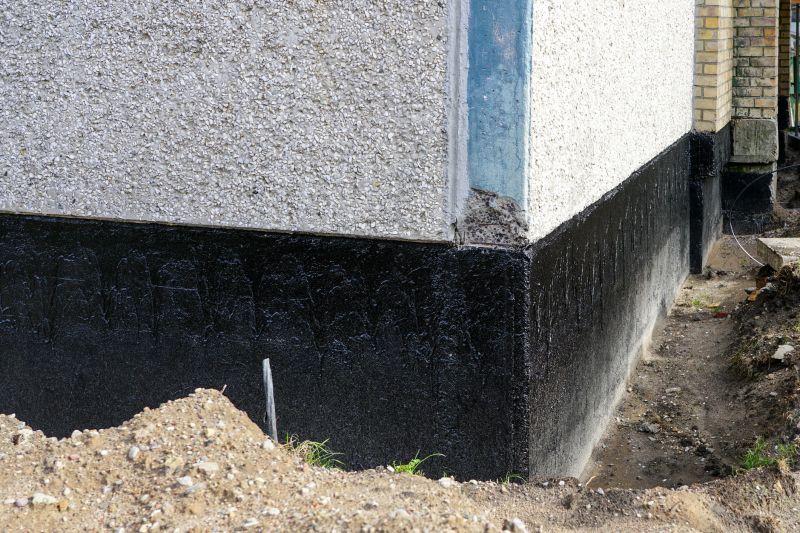
Quick checks and paperwork to keep after Waterproofings.
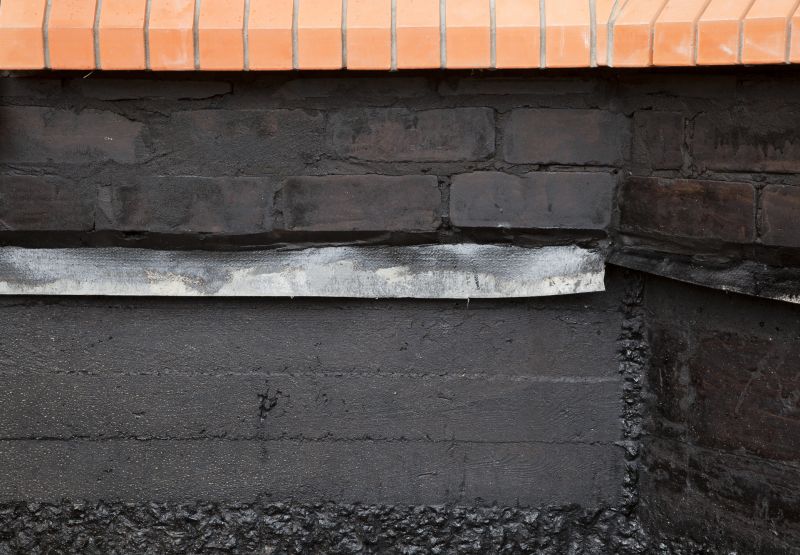
Examples that show the impact a good Waterproofings can make.
Interested parties should consider scheduling waterproofing projects during optimal seasons to maximize effectiveness. Proper timing, combined with quality materials and skilled application, ensures structures remain protected from water damage over time.